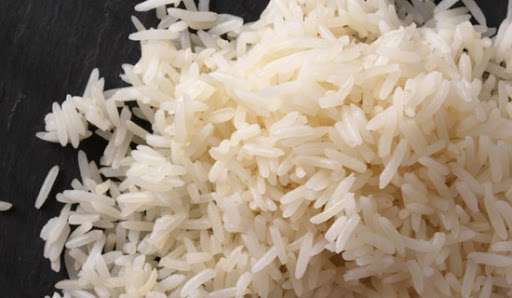
How to Make Perfect Rice, Every Time
By broots
This method gives you perfectly cooked rice every time, but there are variables. Some varieties of rice may want more water, or some people like their rice a little softer. The ratio of 1½ parts water to 1 part rice here is, to my mind, perfect for tender-but-chewy long grained rice. If you like your rice softer, add more water. Also, since this method is cribbed from pilaf anyway, feel free to add some aromatics or spices to the hot oil before toasting the rice, or use stock or broth instead of water and some salt to bring out the flavor.
 1 Picture
Ingredients
- 1 tablespoon oil
- 2 cups jasmine or other long-grain white rice
- 3 cups water
Details
Servings 4
Adapted from gilttaste.com
Preparation
Step 1
1. Preheat oven to 350⁰F. Heat the oil over medium-high heat in a heavy saucepan with a tight-fitting lid. When it starts to shimmer, add the rice and stir. Cook it, stirring, for a few minutes. Notice when it starts to feel kind of “sandy” in the pot, resisting your spoon a little bit, and hear it squeak. That’s the starch changing in the heat.
2. Keep toasting, stirring, past the point when all the grains have turned translucent. The rice should smell wonderfully like popcorn (especially with jasmine rice). A minute or two later, and some grains should have turned back opaque. When it looks like about ¼ of the grains have turned back to white, carefully add the water. It will probably boil immediately; if not, stir the rice once and let it come to a boil. Shut off the heat, put the lid on, and drop it in the oven. Take it out 13 minutes later.
3. Right away, uncover the pot – be careful, the handle is hot! – and gently dig into it to see all the way to the bottom. On the off chance there’s still sitting water there, cover the rice back up and put it back in the oven for a couple minutes. (This NEVER HAPPENS. But don’t freak if it does.) If it looks good, gently fluff the rice with a fork or serving spoon. Start with the top layers first, and then dig a little deeper until you’re flipping all the rice; the point is to expose the rice so the moisture can steam off. Once all the grains look dry, serve, with great pride.
Review this recipe